
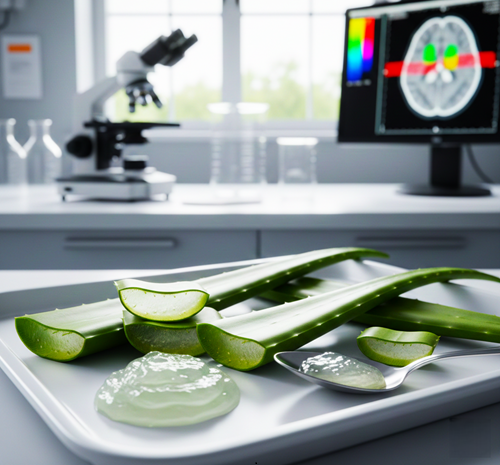
Aloe Vera Could Be a Secret Weapon in the Fight Against Alzheimer’s, New Study Suggests
A new scientific study has revealed promising findings that suggest aloe vera, the well-known medicinal plant, may play a role in fighting Alzheimer’s disease — the most common cause of dementia in the UK.
Alzheimer’s is a progressive neurological condition that primarily affects people over the age of 65. It gradually damages memory and thinking skills, eventually interfering with daily activities and independence. While there is currently no cure, several medications are available to manage symptoms.
Current Treatment Challenges
Doctors often prescribe cholinesterase inhibitors for patients in the mild-to-moderate stages of Alzheimer’s. These medications help increase levels of certain brain chemicals involved in memory and judgment.
However, they may cause unpleasant side effects such as:
- Vomiting
- Diarrhoea
- Muscle cramps
- Slow heart rate
Because of these side effects, researchers are exploring safer, plant-based alternatives.
🔬 The Aloe Vera Breakthrough
In the latest study, researchers identified a natural compound found in aloe vera called beta-sitosterol. This plant compound has a structure similar to cholesterol and is commonly concentrated in the gel of aloe vera leaves.
The study found that beta-sitosterol strongly interacts with two key enzymes linked to memory loss and cognitive decline. By targeting these enzymes, the compound may help slow the progression of Alzheimer’s disease.
Beta-sitosterol is already widely used as:
- A cholesterol-lowering supplement
- A treatment for symptoms of enlarged prostate
- An ingredient in skin health and wellness products
Because it is generally well-tolerated, scientists believe it could offer a safer therapeutic pathway compared to some current Alzheimer’s medications.
🧠 Understanding Alzheimer’s Disease
Alzheimer’s disease develops gradually over many years. Early symptoms typically include:
- Forgetting recent conversations or events
- Misplacing objects
- Forgetting names of people or places
As the disease progresses, patients may experience:
- Confusion and disorientation
- Getting lost in familiar locations
- Difficulty planning or making decisions
- Speech and language problems
- Difficulty performing daily tasks
- Behavioural changes such as aggression or suspicion
- Hallucinations and delusions
- Anxiety and depression
The disease affects multiple brain functions and significantly impacts both patients and their families.
🌿 Hope for the Future
While more clinical trials are needed before aloe vera-based treatments can be approved, researchers describe the findings as encouraging.
Natural plant compounds like beta-sitosterol may open new doors in Alzheimer’s research, offering potential treatments with fewer side effects.
As dementia cases continue to rise globally, such discoveries could provide much-needed hope for millions of families.
Add this FAQ section at the bottom:
❓ Frequently Asked Questions
Q: Can aloe vera cure Alzheimer’s disease?
No. There is currently no cure. However, research suggests compounds in aloe vera may help slow disease progression.
Q: What is beta-sitosterol?
Beta-sitosterol is a natural plant compound found in aloe vera and other plants. It is already used to lower cholesterol.
Q: Is aloe vera safe for brain health?
Aloe vera is generally well tolerated, but clinical trials are needed before it can be recommended for Alzheimer’s treatment.